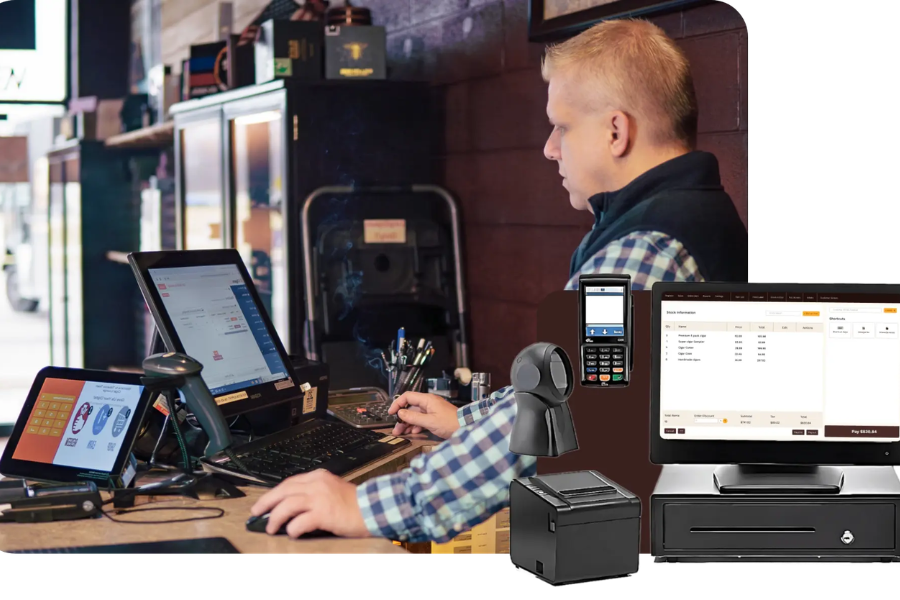
B2B transactions have moved far beyond phone calls and paper orders. Today, B2B ecommerce solutions give wholesalers, manufacturers, and distributors the tools to sell online with speed and accuracy. This GritGlobal guide will explain what these solutions are, why they differ from B2C, and why more companies are making the shift.
I. Highlights
- Clear definition and use cases of B2B ecommerce solutions to help businesses understand how they differ from B2C, the main selling models, and why more companies are moving online.
- Practical guidance on selecting, launching, and growing a B2B ecommerce store, including platform comparisons, must-have features, and actionable best practices.
- Insights into 2025 trends such as AI-powered personalization, headless commerce, and real-time integrations to keep businesses ahead in a competitive market.
What Are B2B Ecommerce Solutions?
B2B ecommerce solutions refer to the practice of selling goods or services between businesses through an online platform. They replace manual processes with digital catalogs, automated pricing, and integrated order management. Instead of sending emails back and forth, buyers can log in, see their custom pricing, and place bulk orders in minutes.
The differences from B2C are easy to spot. B2B orders are often larger, involve negotiated pricing tiers, and require payment terms like net 30 or net 60. The sales cycle is also longer, with multiple stakeholders reviewing and approving purchases before checkout.
The shift to online channels is driven by convenience, cost savings, and buyer expectations. Research shows that modern business buyers prefer the speed of digital self-service over traditional sales calls. Sellers that adapt can serve more customers, process orders faster, and stay competitive in a market where efficiency decides who wins.
McKinsey finds that 71% of B2B companies now offer ecommerce, and for those that do, online channels already drive 34% of revenue.
Common Types of B2B Ecommerce Models
Think of these models as blueprints for online selling, each with its own quirks. Knowing the differences helps you choose the right fit. Below, we’ll walk through each so you can see which matches your goals and which B2B ecommerce solutions can best support them.
Manufacturers
Manufacturers produce goods and sell them in bulk to distributors, wholesalers, or retailers. Their ecommerce systems must connect directly with ERP and inventory management tools to track raw materials, production schedules, and finished goods. Real-time visibility helps prevent delays and keeps orders accurate from the factory floor to the buyer.
Wholesalers
Wholesalers buy products in large quantities and resell them at scaled prices. They rely on tiered pricing rules, high-volume ordering tools, and quick reordering features to keep buyers stocked without long delays. Account-based pricing ensures each client sees the rates negotiated for their specific terms.
Distributors
Distributors act as the bridge between manufacturers and sellers. Their ecommerce platforms must support flexible fulfillment options and accurate order tracking. They often handle goods from different suppliers, so having a single system to manage multiple inventories and delivery timelines is key.
B2B2C
B2B2C models sell to end customers but through business partners. This structure demands tight control over branding, product details, and customer experience, even when orders pass through third parties. It also requires shared ownership of customer relationships to maintain trust and loyalty.
Marketplaces
Marketplaces host products from multiple vendors in one place. Forbes reports that B2B marketplace sales jumped from 24 billion dollars in 2020 to 224 billion dollars in 2023, which shows how fast this channel is scaling.
They work well for niche industries, bulk purchasing, or custom-order goods. Buyers get variety, while sellers gain access to a ready-made audience without building a store from scratch.
SaaS Providers
SaaS companies sell software or digital services to other businesses. Their platforms must handle subscription billing, license management, and usage tracking. Automated renewals, flexible payment options, and scalable infrastructure keep operations running smoothly as client numbers grow.
Must-Have Features in a B2B Ecommerce Solution
Before moving into the specifics, it helps to see why these capabilities matter. The best B2B ecommerce solutions give you the tools to keep your store running smoothly, make buying effortless for customers, and help you stand out in a competitive market.
Pricing and Ordering
B2B buyers expect tailored wholesale pricing that reflects their agreements. A strong platform supports custom rates, volume-based discounts, and net payment terms. Bulk ordering and quick reorder tools save time for repeat purchases, cutting out unnecessary steps in the buying process.
Company Accounts & Roles
Business accounts often have multiple users placing orders under one profile. Multi-user logins with role-based permissions let managers control who can approve, edit, or submit orders. This setup keeps purchasing organized and prevents unauthorized transactions.
Integration with Business Systems
A reliable B2B ecommerce system connects with ERP, PIM, CRM, and WMS platforms. Real-time data sync ensures inventory levels, pricing, and customer details are always accurate. This reduces errors and keeps sales, warehouse, and support teams on the same page.
Self-Service Portals
Self-service portals give buyers access to their own catalogs, showing products and prices relevant to them. They can check past orders, download invoices, and request quotes without waiting for a sales rep. This control shortens buying cycles and improves satisfaction.
NielsenIQ notes that 86% of US CPG dollar sales now come from omnichannel shoppers, which signals that buyers expect seamless self-service and account access across channels.
Secure and Flexible Checkout
B2B checkout must accommodate varied payment preferences, from purchase orders and invoicing to credit cards. Built-in tax-exempt logic and compliance checks ensure orders meet legal requirements. A smooth and secure payment process encourages repeat business and builds trust.
Benefits of Using B2B Ecommerce Solutions
B2B ecommerce solutions do more than handle online orders. They open new sales channels, automate time-consuming tasks, and give buyers the control they expect. The right system also provides valuable data while cutting costs across the board.
Expand into new regions and markets
Sell to buyers worldwide without physical offices or local reps. Online access lets you test new territories quickly and scale faster.
Reduce manual sales and back-office tasks
Automation handles order entry, invoicing, and stock updates. Teams can focus on sales growth instead of repetitive admin work.
Improve customer experience with self-service
Buyers can check prices, view catalogs, and place orders anytime. This convenience builds loyalty and shortens the buying cycle.
Gain insights through order and behavior analytics
Track purchasing trends and buyer activity in real time. Use this data to refine marketing and stock planning.
Lower costs tied to printing, phone orders, and returns
Digital processes cut waste, reduce errors, and speed up resolutions. Savings can be reinvested into growth efforts.
How to Choose the Right B2B Ecommerce Platform?
Choosing the right platform shapes how smoothly your store runs and how happy your buyers feel. The best B2B ecommerce solutions align with your business goals, scale as you grow, and work with the systems you already have in place.
Hosted (SaaS) vs Open Source
Hosted SaaS platforms are quick to launch and require minimal development work. They’re ideal for businesses that want a ready-made system with regular updates and support included.
Open source platforms give full control over design, functionality, and integrations. They suit companies with in-house tech teams that need high customization and are prepared for ongoing maintenance.
Key Questions to Ask
Can it handle complex pricing?
B2B sales often involve negotiated rates, discounts, and payment terms. The platform must manage these without manual workarounds.
Will it scale with your business?
Look for infrastructure that supports growth in traffic, products, and transactions without slowing performance.
Does it integrate with your current stack?
Seamless connections with ERP, CRM, and other automation tools keep data consistent and operations smooth.
Is it mobile-friendly and user-friendly?
Buyers expect a responsive design and intuitive navigation. A clunky interface can drive them to competitors.
Steps to Launch Your B2B Ecommerce Store
Launching a store is easier when the process is broken into clear steps. You can turn your ideas into a fully functional store that delivers value from day one by following this roadmap. Using the right B2B ecommerce solutions ensures your platform runs smoothly, meets buyer expectations, and supports long-term growth.
Step 1: Define Strategy
Start by understanding who your customers are and how they prefer to buy. Map out your sales channels, pricing rules, and product catalog so the store aligns with their expectations.
Step 2: Build Your Online Store
Select a platform that meets your technical and business needs. Upload accurate product data, set up pricing structures, and design a user experience that makes ordering simple.
Step 3: Test and Launch
Check the store on different devices and simulate orders from various buyer profiles. Collect feedback from both your team and trusted customers to refine the experience before going live.
Step 4: Market Your Offering
Promote your store through email campaigns, targeted ads, SEO, and relevant industry content. Emphasize benefits like self-service ordering and faster purchasing to draw interest from busy buyers.
Best Practices to Grow Your B2B Ecommerce Channel
Growing a B2B ecommerce channel takes more than adding products to a site. Below we’ll show you tips that make buying easier, strengthen customer relationships, and keep your store performing at its best.
Optimize site search and navigation
Make it easy for buyers to find what they need quickly. Use filters, categories, and predictive search to speed up the process.
Use high-quality content and product info
Clear descriptions, sharp images, and detailed specs help buyers make decisions with confidence. This also reduces the risk of returns.
Support mobile ordering
A mobile-friendly store ensures buyers can place orders anytime. Responsive design and simple checkout make mobile transactions smoother. During Thanksgiving 2024, 72% of orders were placed on mobile devices, according to Salesforce data reported by TechCrunch. This shows the need for a mobile-first B2B experience.
Offer tailored promotions by customer segment
Use buyer data to create targeted discounts or bundles. Personalized offers encourage loyalty and increase repeat orders.
Monitor KPIs like AOV, CLV, and reorder rate
Track performance metrics to spot growth opportunities. Adjust pricing, promotions, and inventory based on what the numbers reveal.
2025 Trends in B2B Ecommerce Solutions
These trends point to where the market is going and what leading businesses are already doing. Bloomberg projects US online sales could reach nearly 2.9 trillion dollars by 2030, up from 1.65 trillion in 2024, which raises the stakes for modern, integrated commerce stacks. They reflect how technology and changing buyer habits are driving the next stage of B2B ecommerce.
AI-powered personalization and search
Artificial intelligence is making product recommendations and search results more relevant. Buyers get faster access to items that match their needs, improving order accuracy.
Modular, headless commerce adoption
More businesses are moving to modular setups where the front-end and back-end operate independently. This allows faster design changes without disrupting core systems.
Real-time data integrations
Instant syncing between ecommerce platforms and ERP, CRM, or WMS systems is becoming the standard. It keeps stock levels, pricing, and customer records up to date.
Self-service adoption for high-value orders
Even large, complex orders are shifting to self-service portals. Buyers prefer the speed and control these tools provide over lengthy back-and-forth communication.
Compliance and sustainability in tech stack
Platforms are adding tools to handle tax compliance, data privacy, and environmental reporting. Businesses can meet regulations while supporting sustainability goals.
Top B2B Ecommerce Platforms to Consider
Choosing the right B2B ecommerce solutions early sets the tone for your B2B growth. Options like Shopify Plus, BigCommerce, Adobe Commerce, and WooCommerce come loaded with tools built for complex business needs.
From handling bulk orders to managing detailed pricing structures, these platforms provide the foundation to grow and compete effectively.
BigCommerce B2B Edition
Built for complex B2B needs, it supports custom pricing, B2B account management, and bulk ordering. Its open API structure makes integrations with ERP and CRM systems straightforward.
Shopify Plus
A scalable choice for high-volume merchants, offering user-friendly tools and quick deployment. It’s well-suited for businesses that want a clean interface with a large app ecosystem.
Adobe Commerce (Magento)
Known for deep customization and flexibility. It’s ideal for companies with development resources that need tailored workflows and unique site features.
OroCommerce
Designed specifically for B2B selling, it includes native support for corporate accounts, buyer roles, and complex price structures. It also offers strong integration capabilities.
Salesforce Commerce Cloud
Part of the Salesforce ecosystem, it connects commerce with CRM data for a unified view of the customer. It’s a strong option for enterprises that prioritize data-driven selling.
Simplify B2B Ecommerce With GritGlobal’s BigCommerce Wholesale App
Selling B2B can get messy fast. Long sales cycles. Too many approvals. Endless manual steps just to close one deal. That’s where the BigCommerce Wholesale App by GritGlobal steps in.
This app was built to cut out friction and help BigCommerce merchants move faster, especially in B2B funnels. It’s already supporting 500+ stores and handling interactions with over 6 million customers each year.
Instead of wasting time on repetitive tasks, sales teams can focus on closing deals. The app takes care of approvals, segmentation, and even quote handling.
Some standout capabilities:
- Auto-approve new buyers based on set conditions like company size or location
- Assign sales reps automatically to new accounts or quotes
- Segment companies based on behavior, order value, or custom attributes
- Run promotions or pricing campaigns behind private landing pages
- Use pre-set triggers to approve quotes or apply volume-based discounts
- Send instant quote status updates to prospects
It doesn’t stop at automation. The app plugs smoothly into Atom8 and other third-party tools like Klaviyo, Mailchimp, and Google Sheets, so everything works together. Whether it’s syncing a quote with your CRM or sending an alert to Slack, it just works.
If you’re on BigCommerce B2B Edition and tired of the manual grind, the Wholesale App isn’t just helpful. It’s the shortcut. Contact us to learn how to apply it to your store.
FAQs: B2B Ecommerce Solutions
1. How do B2B ecommerce platforms differ from B2C?
B2B platforms handle larger orders, complex pricing tiers, and extended payment terms. They also support account-based buying and multi-user access, which are uncommon in B2C.
2. What businesses need B2B ecommerce?
Manufacturers, wholesalers, distributors, and service providers benefit most. Any business selling in bulk or on contract terms can improve operations with a digital platform.
3. Can B2B ecommerce replace my sales team?
It can automate routine tasks and speed up transactions, but human sales teams still add value for relationship building and complex negotiations.
4. How much does it cost to set up a B2B store?
Costs vary based on platform, integrations, and customization. A basic setup on a hosted solution may start in the low thousands, while enterprise builds can run much higher.
Final Thought
B2B ecommerce solutions are reshaping how businesses buy and sell. They cut manual work, open global markets, and give buyers more control over purchasing. Companies using tools like GritGlobal’s BigCommerce Wholesale App are finding it easier to scale while keeping operations smooth. To see how these solutions can work for your store, contact us now.